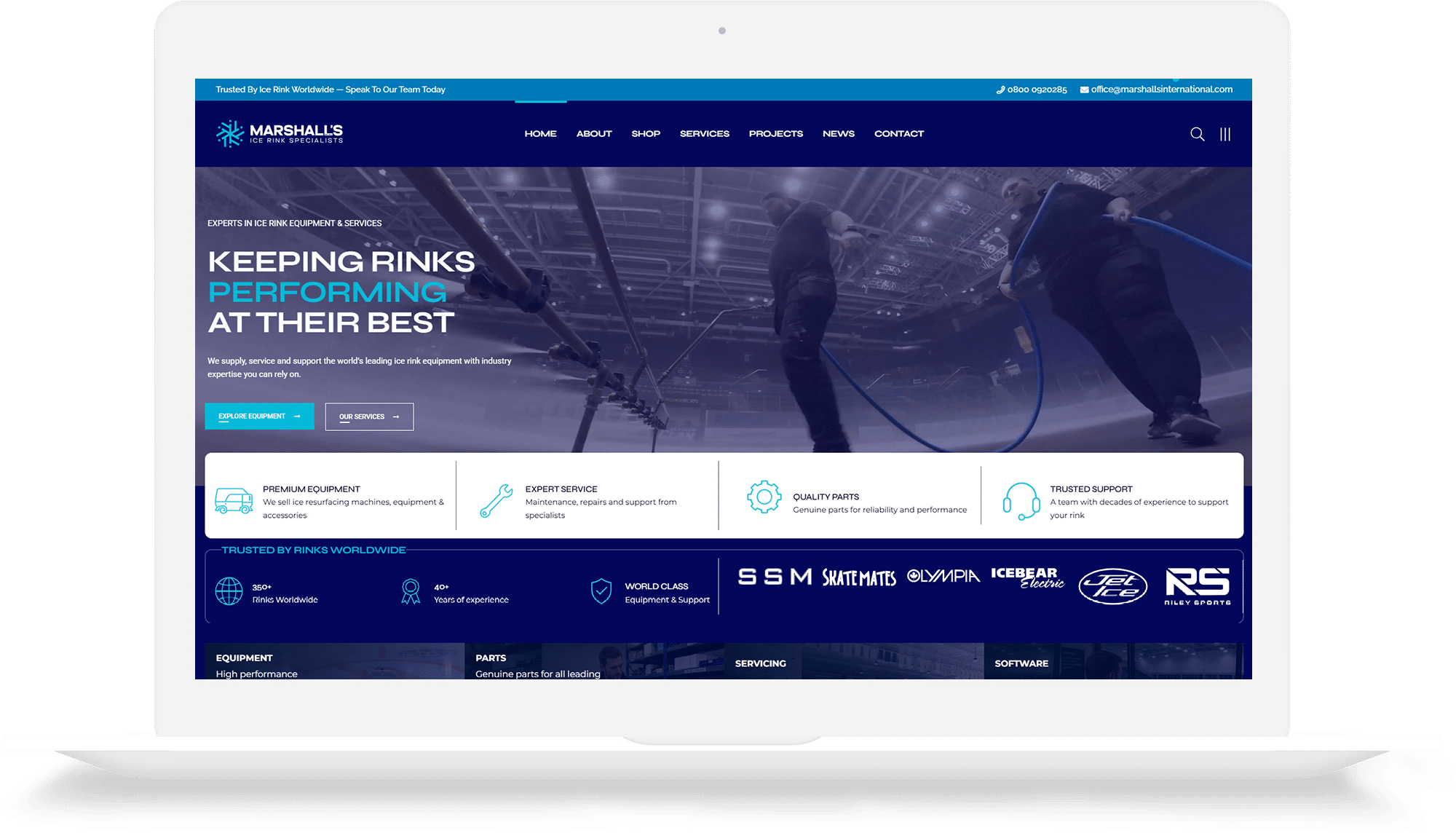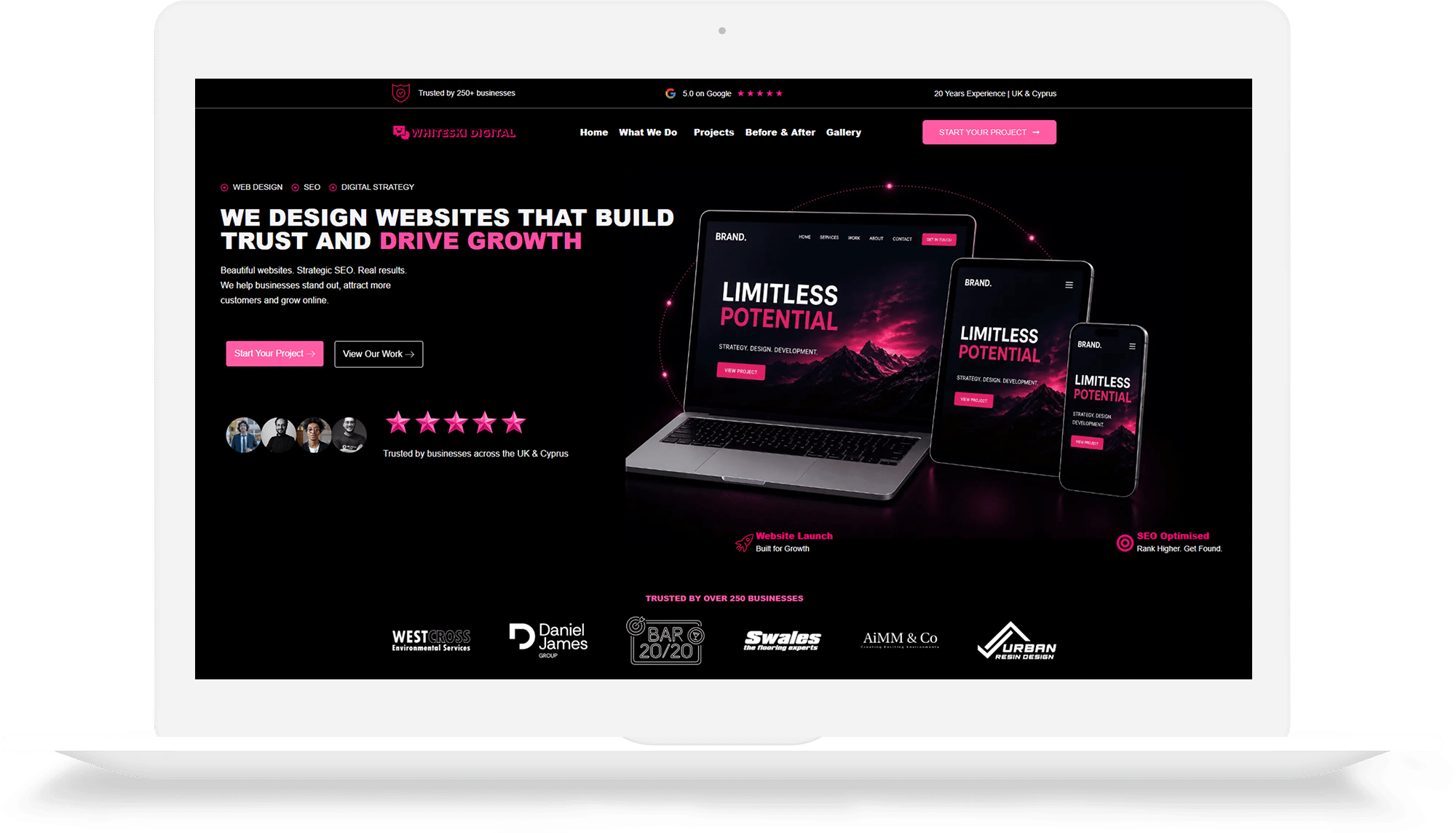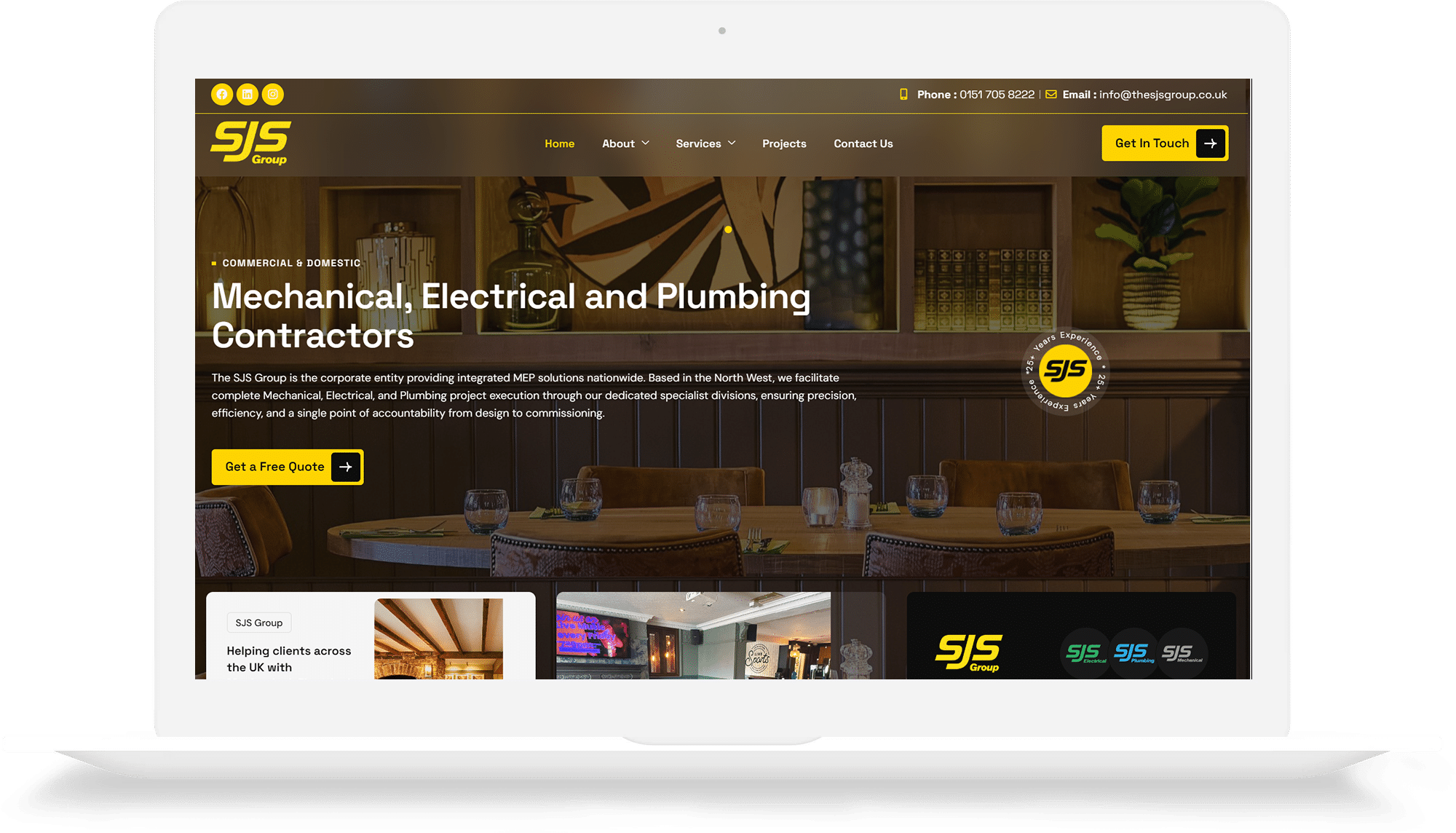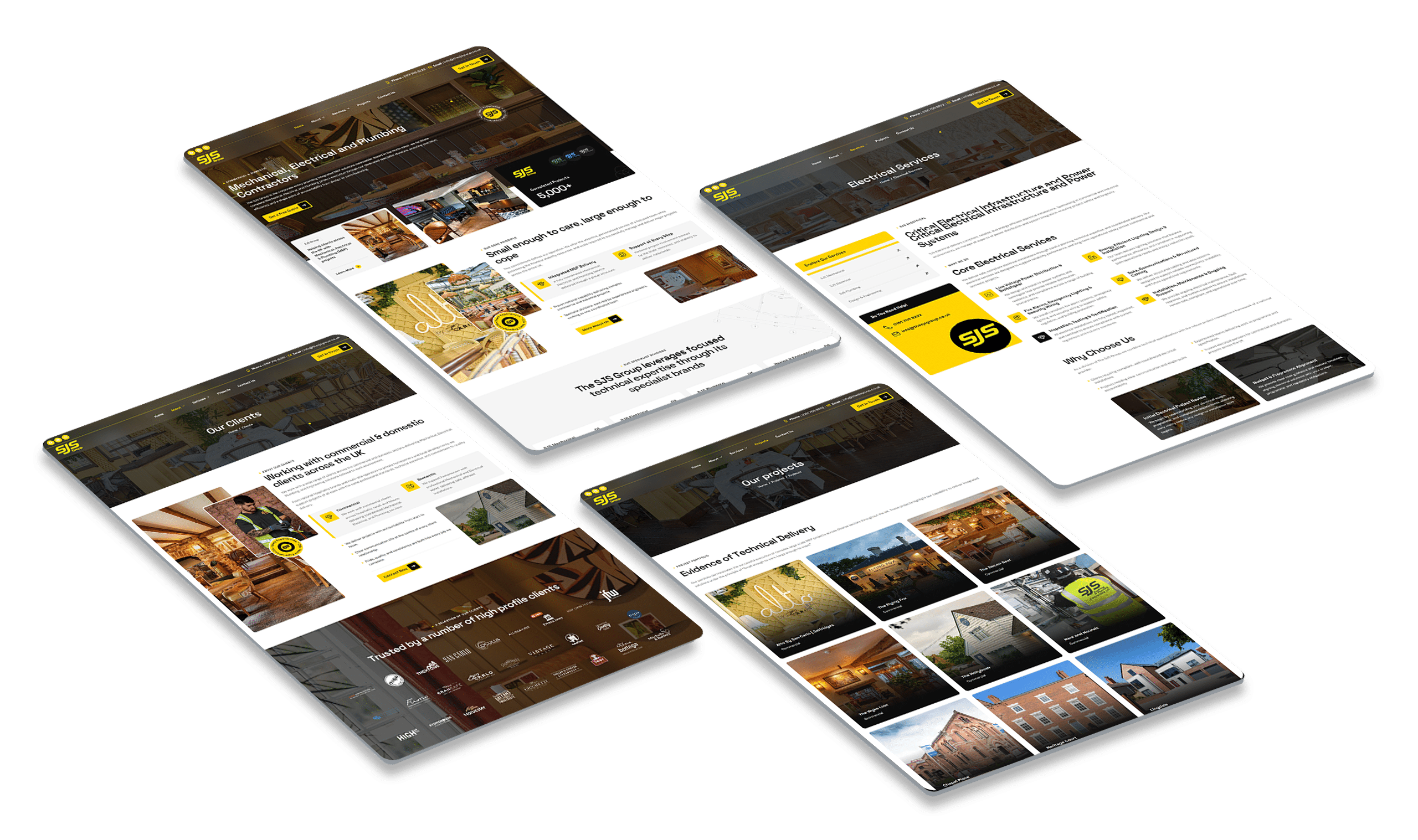
Many businesses launch a website and leave it untouched for years.
The problem is, your website isn’t a brochure—it’s one of your most valuable business assets.
Technology evolves.
AI evolves.
Search engines evolve.
Most importantly, your business evolves.
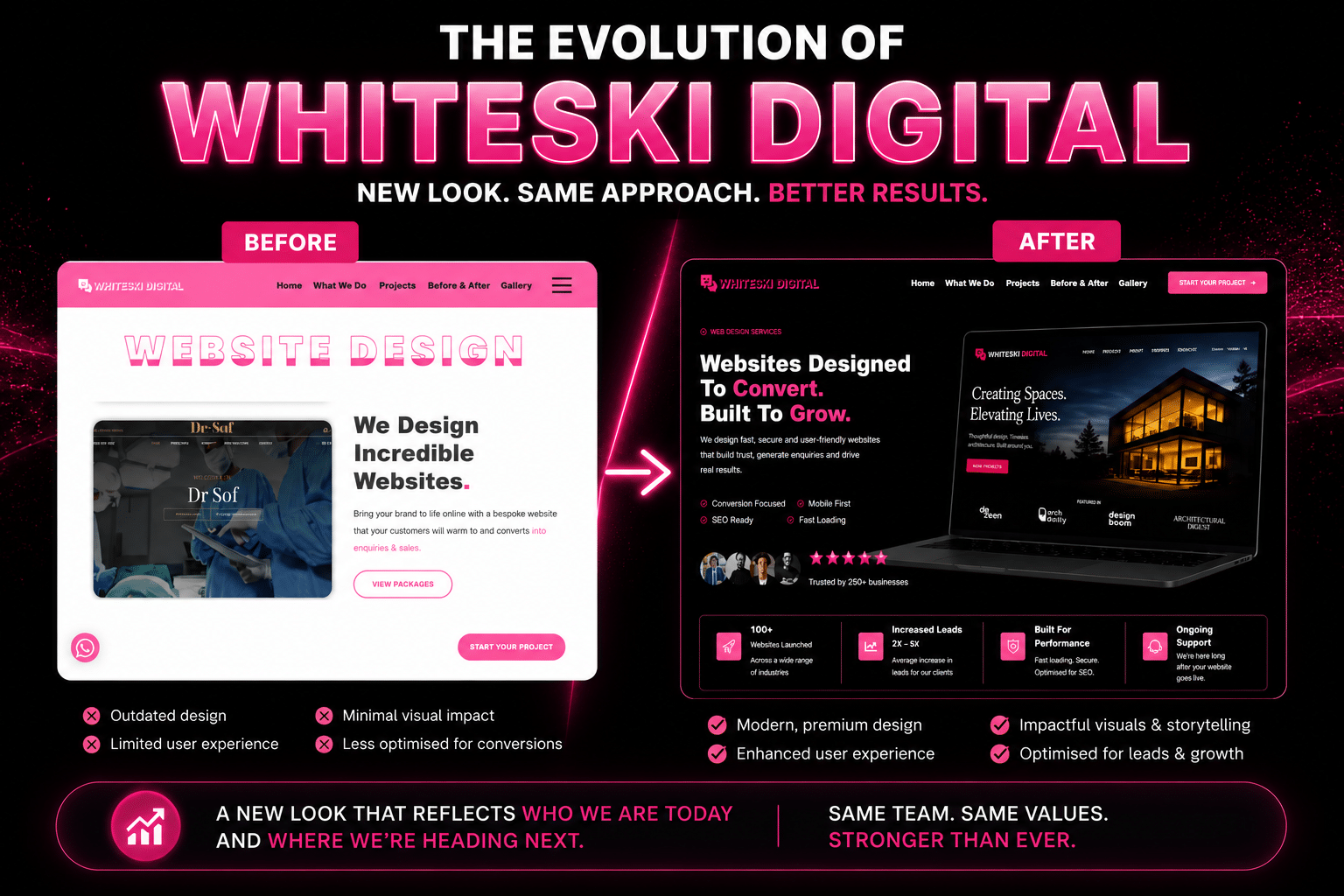
The website that represented your business three years ago may no longer reflect where you are today.
Regular website reviews help identify opportunities to improve visibility, user experience and enquiries before small issues become bigger problems.
Your business has probably changed.
Take a moment to think about the last couple of years.
Have you:
- Introduced new services?
- Won larger contracts?
- Expanded into new areas?
- Completed projects you’re proud of?
- Collected more customer reviews?
- Added new team members?
- Invested in better photography or branding?
If the answer is yes, your website should reflect those changes.
Your website should grow alongside your business—not stay frozen in time.
Small updates often have the biggest impact..
A website review doesn’t usually mean starting again.
Often, the biggest improvements come from relatively small updates.
These might include:
- Refreshing your homepage messaging
- Improving calls to action
- Creating new SEO landing pages
- Updating images
- Publishing recent projects
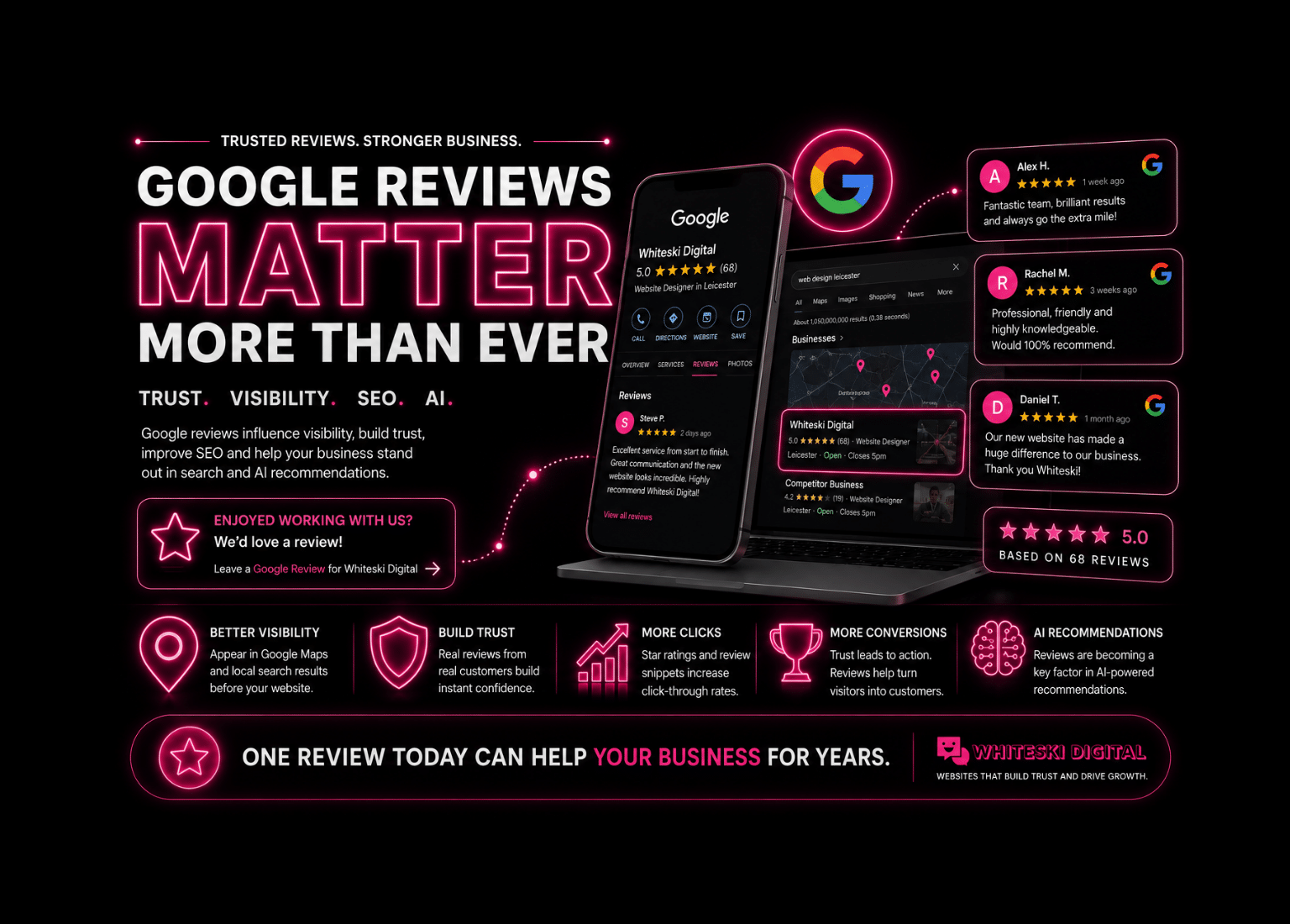
- Adding customer reviews
- Improving page speed
- Refreshing FAQs
- Updating service information
Individually these changes may seem small.
Together, they can significantly improve how visitors engage with your website.
Why reviews matter more than ever.
Search engines are constantly evolving.
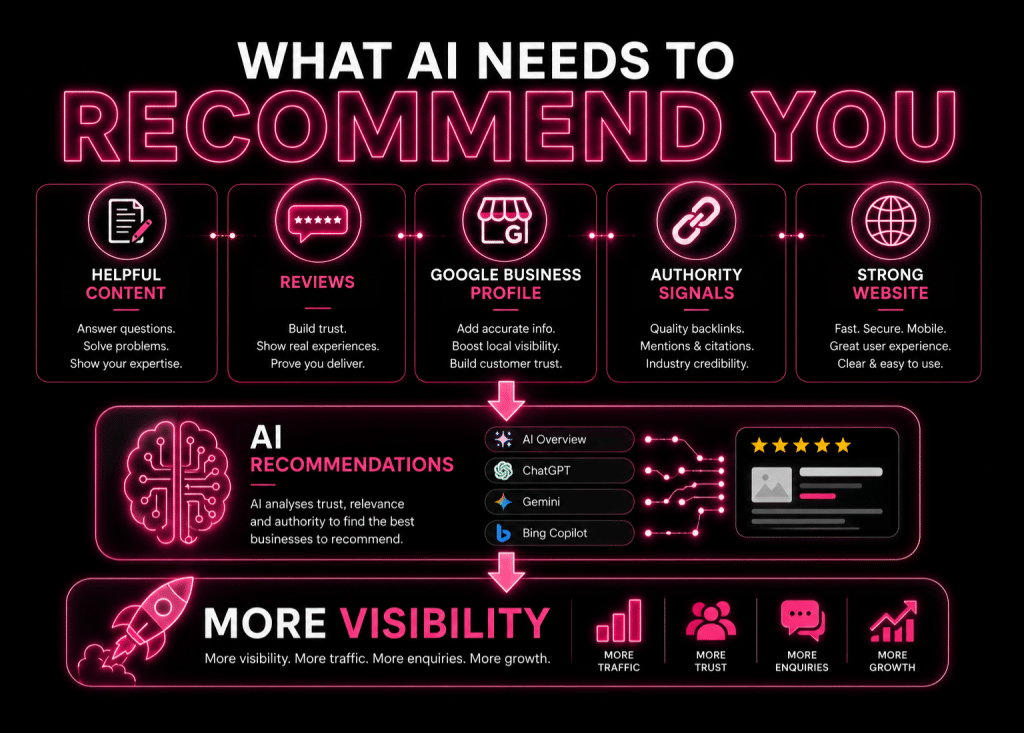
AI assistants are becoming another way people discover businesses.
Customers expect websites to load quickly, answer questions clearly and make it easy to get in touch.
Regular reviews help ensure your website continues to meet those expectations.
Rather than reacting when enquiries slow down, it’s often better to make small improvements consistently.
What we review?
When reviewing a website, we typically assess:
- Website performance
- Page speed
- User experience
- Mobile usability
- SEO opportunities
- AI readiness
- Technical issues
- Calls to action
- Content quality
- Navigation
- Trust signals
- Conversion opportunities
The aim isn’t to find fault.
It’s to identify practical improvements that help your website work harder for your business.
How much does a website review cost?
Every website is different, but most businesses begin with a simple review.
Typical investment
- Website Review – From £100
- Website Improvements – From £250
- Larger websites and eCommerce projects – Quoted individually
Most reviews are completed within 2–5 working days, with recommendations prioritised based on impact and budget.
Sometimes the review confirms everything is working well.
Other times, it highlights straightforward opportunities that can make a noticeable difference.
Frequently Asked Questions.
How often should I review my website?
We recommend reviewing your website at least once a year, or whenever your business introduces new services, wins significant projects or changes direction.
Does a website review mean I need a new website?
No. Most reviews result in recommendations for improving your existing website rather than replacing it. Small updates often deliver significant results.
What does a website review include?
We review page speed, user experience, SEO, AI readiness, mobile performance, navigation, calls to action, trust signals and overall website effectiveness
How much does a website review cost?
Website reviews start from £100, with improvement work typically starting from £250, depending on your website and objectives.
What improvements usually make the biggest difference?
Common recommendations include clearer messaging, stronger calls to action, faster loading pages, updated content, new landing pages, recent case studies, improved navigation and better trust signals such as customer reviews.
Book a freee website review.
We’ll assess your website and identify practical opportunities to improve performance, user experience, visibility and enquiries.
Your website should grow with your business—not be left behind.